-
How Ownership Transfers Over Time: Inheritance, Sales, Leases, and Beyond
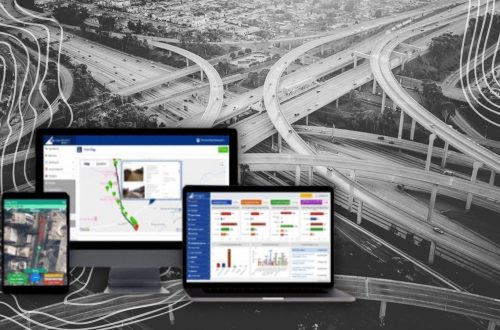
Land is one of the most valuable assets in society. Over generations, its ownership changes hands through inheritance, sales, leases, and allotments. For organizations, governments, and individuals, keeping track of these ownership transfers is not just a legal necessity—it’s essential for sustainable growth and transparent governance. This is where GIS-based land management solutions play a transformative role. Understanding Ownership Transfers 1. Inheritance Land often passes from one generation to another through inheritance. While this is one of the oldest forms of ownership transfer, it can also be the most complex due to disputes, unclear boundaries, or missing records. A Land Records Management System integrated with GIS-based land records management ensures…
-
Ensuring Compliance When Acquiring Land & Handling Land Litigation Cases
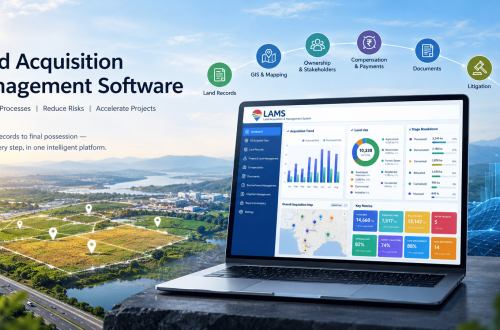
Acquiring land is more than a financial transaction—it requires navigating complex legal, regulatory, and administrative processes. Organizations today are increasingly turning to land management systems to streamline compliance, track documentation, and minimize disputes. This blog explores two critical aspects of real estate and property management: ensuring compliance during land acquisition and effectively handling land litigation cases. Ensuring Compliance When Acquiring Land Compliance failures during land acquisition can lead to ownership disputes, penalties, or project delays. A modern land management system can help automate checks, store records, and provide real-time compliance tracking. 1. Verify Title and Ownership Use land management software to maintain digital title records. Access historical deed information to…
-
A GIS-Based Approach to Road Condition Monitoring and Pothole Detection using AI
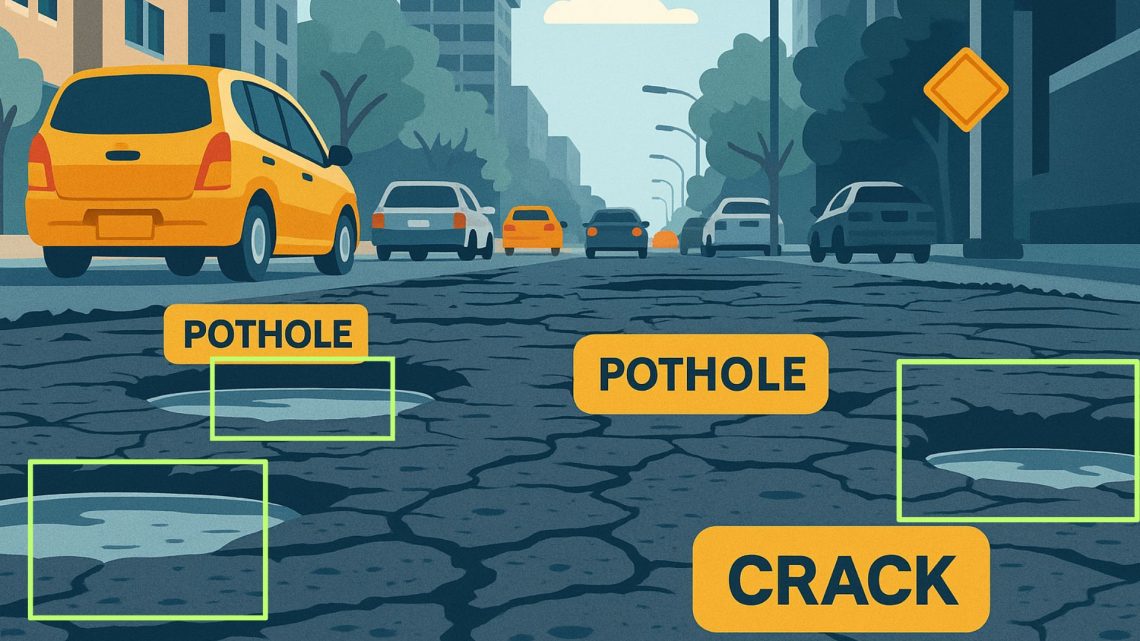
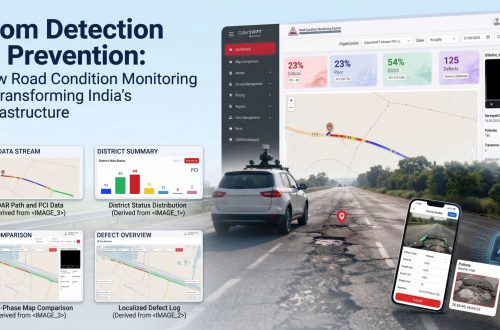
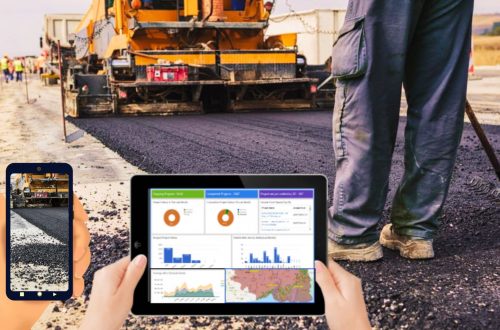
Maintaining road infrastructure is a critical responsibility for urban and rural authorities alike. Roads with potholes, cracks, and surface deterioration not only affect vehicle performance but also pose significant safety risks. A systematic and technology-enabled approach is essential for improving road conditions, optimizing road maintenance efforts, and ensuring timely project completion. This is where AI-based road condition monitoring systems come into play. They provide spatial intelligence, visual analytics, and data-driven insights that can significantly improve how road infrastructure is built and maintained. Understanding Road Condition Monitoring Systems A road condition monitoring system is a comprehensive framework that continuously assesses the health of road infrastructure. It combines with field data to…
-
Avoiding Land Disputes: How to Verify Multiple Claimants on a Property
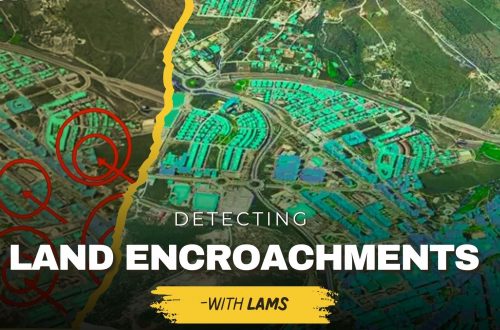
Land disputes are among the most common and complex legal issues globally, especially in countries with fragmented land records and inadequate land management systems. One of the key reasons behind these disputes is multiple claimants asserting ownership over the same piece of land. Whether it’s due to historical inheritance, undocumented transactions, or fraudulent claims, such scenarios can lead to prolonged litigation, stalled infrastructure projects, and massive financial losses. In this blog, we explore practical strategies to verify multiple claimants on a property, prevent potential disputes, and highlight how digital solutions like CyberSWIFT LAMS (Land Acquisition Management System) can help streamline the verification and dispute avoidance process. Why Do Multiple Claims…
-
Using Satellite Imagery & Survey Data to Confirm Land Locations: How LAMS Ensures Accuracy and Transparency
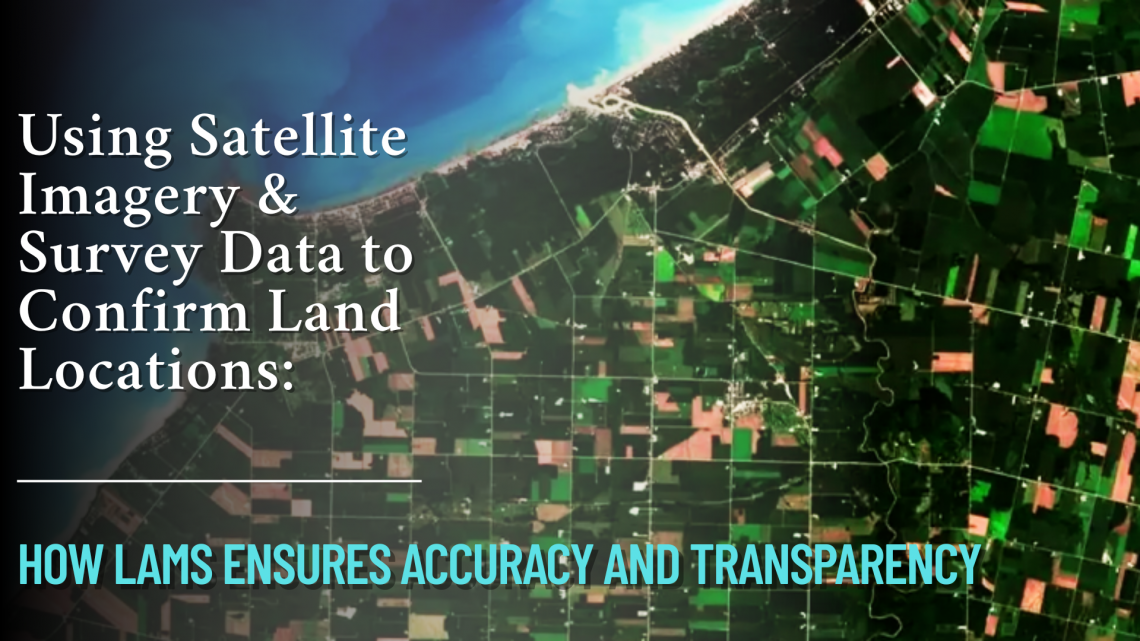
In the age of digital transformation, managing land assets with precision has become a necessity for government bodies, infrastructure developers, and enterprises alike. With challenges like land disputes, overlapping claims, outdated land records, and encroachments plaguing traditional land management, the integration of satellite imagery and survey data offers a revolutionary approach. CyberSWIFT’s Land Management System (LAMS) leverages the power of satellite technology and on-ground surveys to validate, map, and manage land locations with unmatched accuracy. Why Accurate Land Location Matters Accurate land location data is foundational to: Resolving ownership disputes Preventing encroachments Accelerating land acquisition processes Ensuring compliance with government regulations Facilitating informed infrastructure planning and development Any ambiguity in land boundary definitions…
-
Urban Development Property Survey & Mapping: Powering Smart Cities with Precision
As cities continue to grow rapidly, efficient property administration and urban planning have become more crucial than ever. A property survey and mapping system acts as the foundation for sustainable urban development, facilitating everything from infrastructure planning to legal property ownership. By integrating cutting-edge technologies like Geographic Information Systems (GIS), Unmanned Aerial Vehicles (UAVs), and centralized digital property databases, municipalities and private developers can ensure accurate, transparent, and accessible property records. Let’s explore how this process works, why it’s essential, and how it’s shaping the future of smart cities. Why Property Survey & Mapping is Essential in Urban Development Inaccurate property boundaries, outdated property records, and unchecked encroachments have long hindered…
-
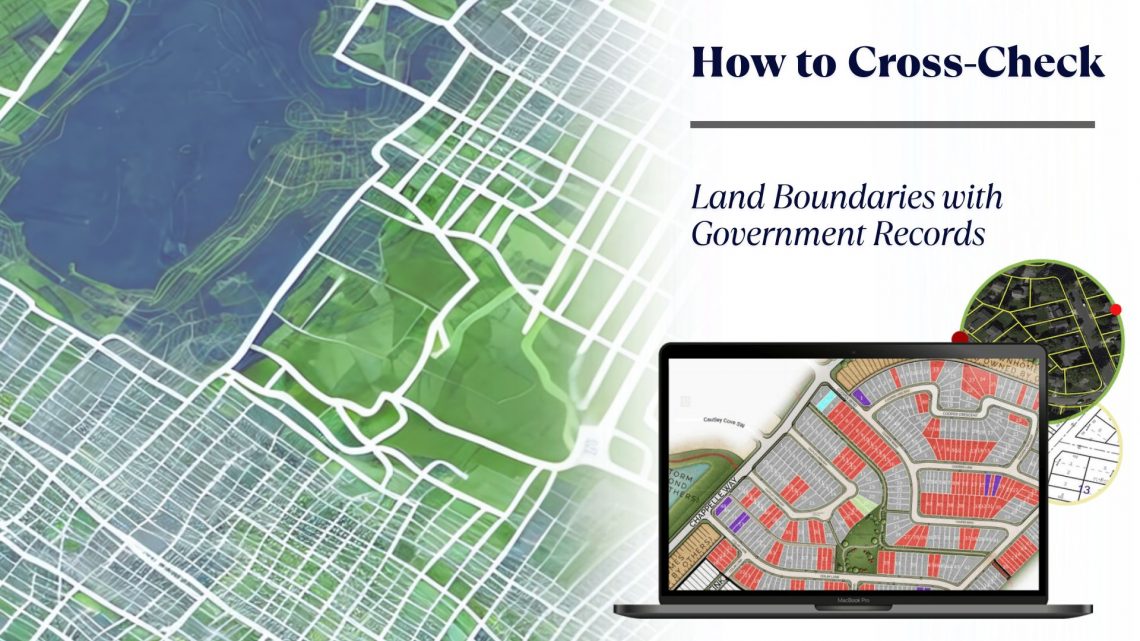
How to Cross-Check Land Boundaries with Government Records
Accurately verifying land boundaries is a crucial step in any land-related transaction—be it purchase, sale, lease, or development. Inaccurate or unclear boundaries can lead to legal disputes, financial losses, or project delays. One of the most effective ways to prevent such issues is by cross-checking land boundaries with official government records. Thanks to technological advancements, especially in GIS-based land management systems and land records management systems, this process is now more efficient, accurate, and accessible than ever. In this blog, we explore the importance of cross-verifying land boundaries and the tools that simplify the process, such as land allotment software, land information management systems, and land lease management tools. Why Cross-Checking…
-
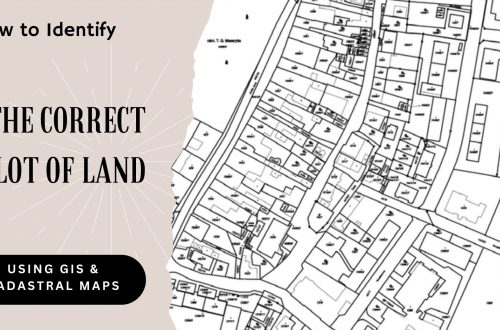
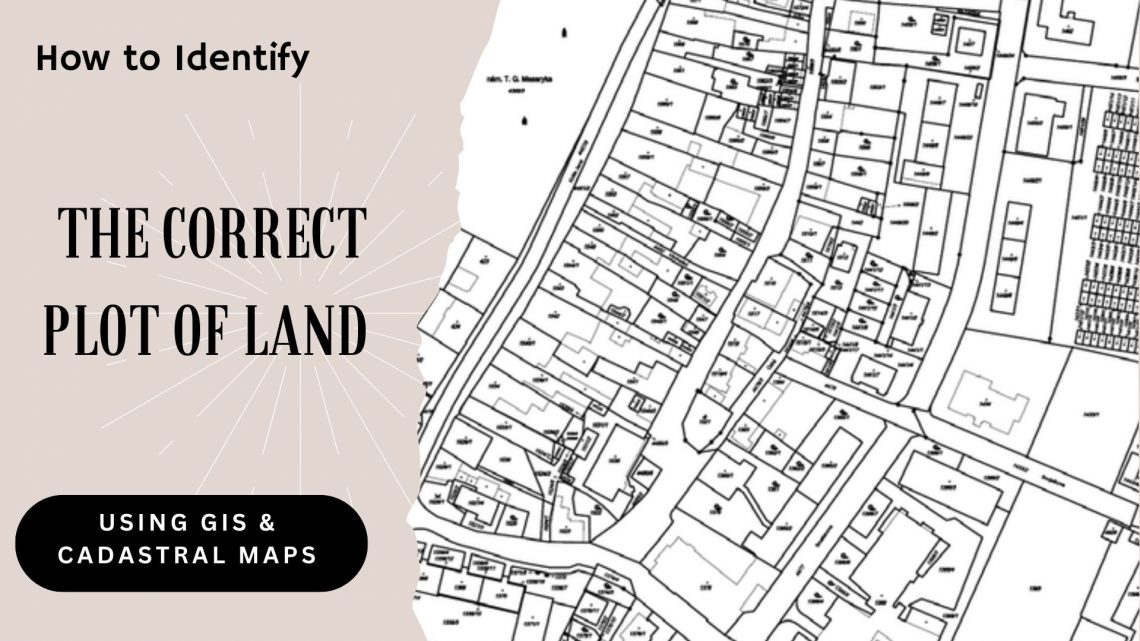
How to Identify the Correct Plot of Land Using GIS & Cadastral Maps
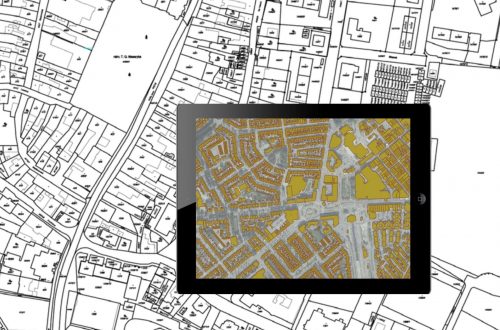
In real estate, infrastructure development, and urban planning, precise land parcel identification is essential. Whether acquiring land for a new project, managing large agricultural tracts, or overseeing land assets for a government or corporate entity, inaccuracies can result in legal conflicts, project setbacks, and financial risks. This is where GIS (Geographic Information System) and cadastral maps come into play—serving as the technological foundation of modern land management, enabling users to accurately locate and verify land plots with confidence. Let’s explore how GIS and cadastral mapping technologies help in identifying the correct plot of land and how land management systems are revolutionizing land-related operations. Understanding GIS and Cadastral Maps What is GIS? GIS…
-
Importance and Challenges of Monitoring Construction Project Progress
The construction industry is known for its complex projects that involve multiple stakeholders, strict deadlines, and substantial financial investments. Ensuring the timely and efficient completion of these projects requires meticulous monitoring of work progress. A web-based project monitoring system plays a crucial role in streamlining this process by offering real-time insights, reducing errors, and enhancing communication among teams. However, despite the technological advancements, project managers still face several challenges in monitoring construction progress effectively. Importance of Monitoring Construction Project Progress 1. Ensuring Timely Completion Construction projects typically operate on tight schedules. Monitoring progress helps project managers ensure that tasks are completed as planned, reducing the risk of delays. By leveraging a…
-
Forest Survey and Mapping: Enhancing Accuracy with GIS and MIS Technology
Forest survey and mapping play a crucial role in environmental conservation, resource management, and biodiversity protection. Traditional methods of surveying forests relied on manual data collection, which was often time-consuming and prone to errors. However, with the advent of modern technologies like Geographic Information System (GIS) and Management Information System (MIS), forest mapping has become more efficient, accurate, and scalable. These tools help in monitoring forest health, land-use planning, and policy-making. In this blog, we will explore how GIS and MIS enhance forest survey and mapping, their key features, challenges, and future scope. The Role of GIS in Forest Survey and Mapping 1. Geospatial Data Collection GIS allows for the…